Best Toner Management for Shared Office Printers
January 21, 2026
Product Review Team

Introduction
Managing toner effectively in a shared office printing environment is crucial to control costs, reduce downtimes, and ensure optimal printer performance. This guide explores the technical and commercial facets of toner management for shared office printers, with decisive insights to help business owners make informed decisions.
Understanding Toner Cartridge Options
OEM, Compatible, and Remanufactured Cartridges are the primary types of toner cartridges available.
OEM Cartridges
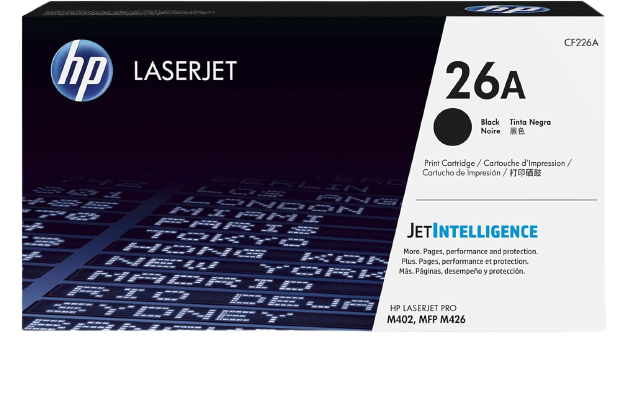
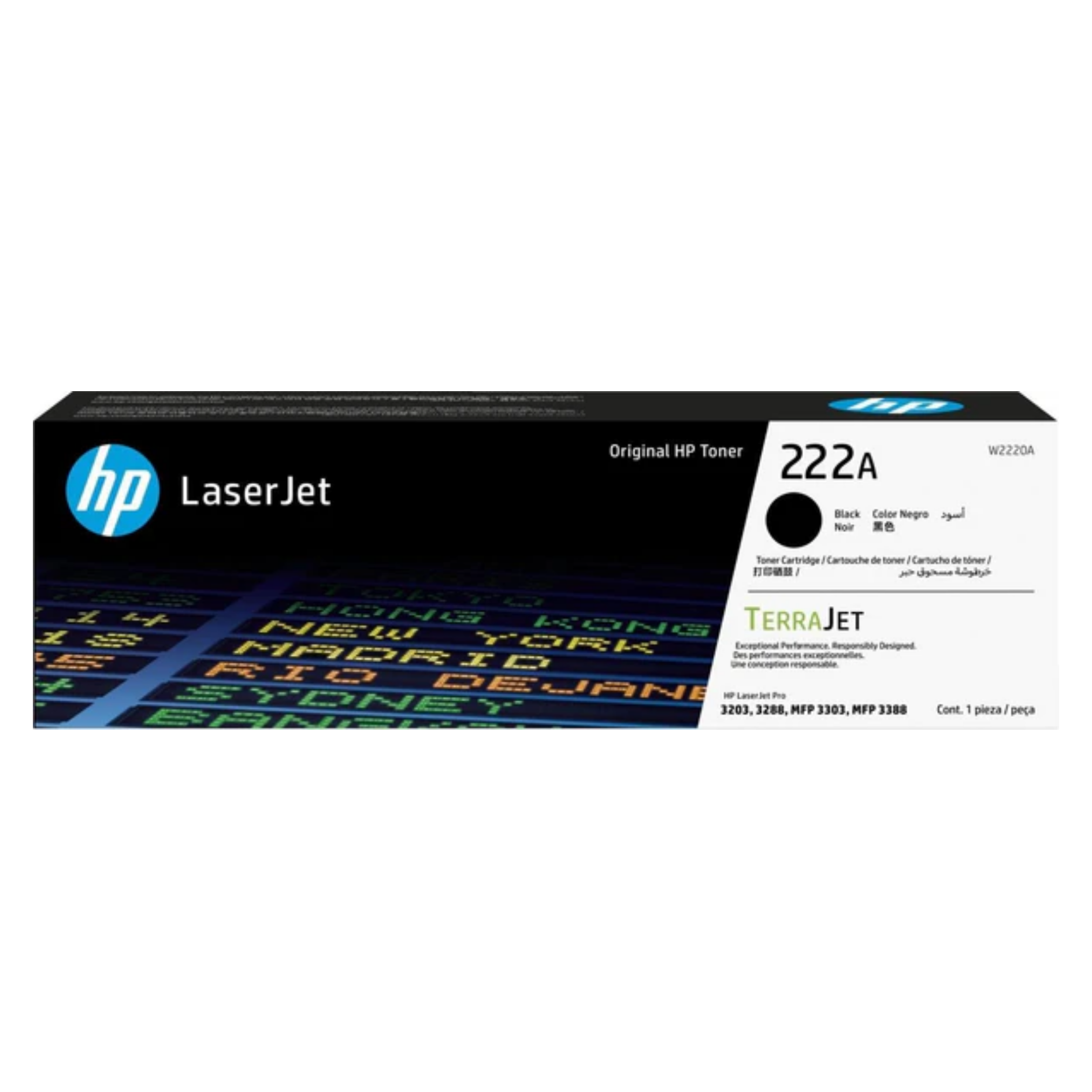
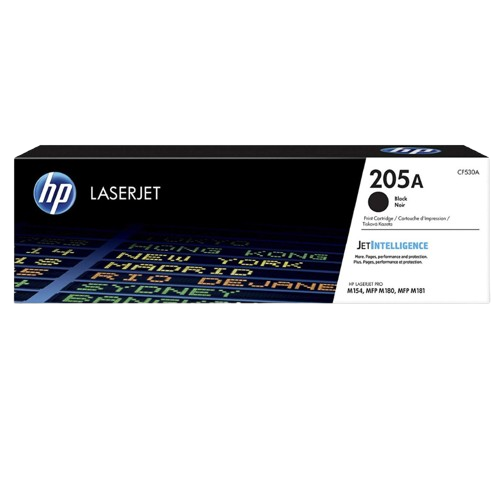
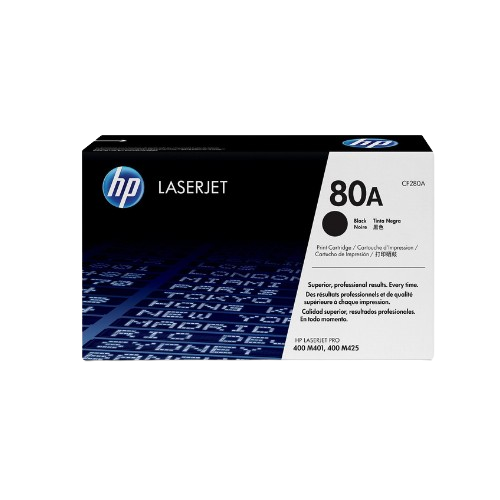
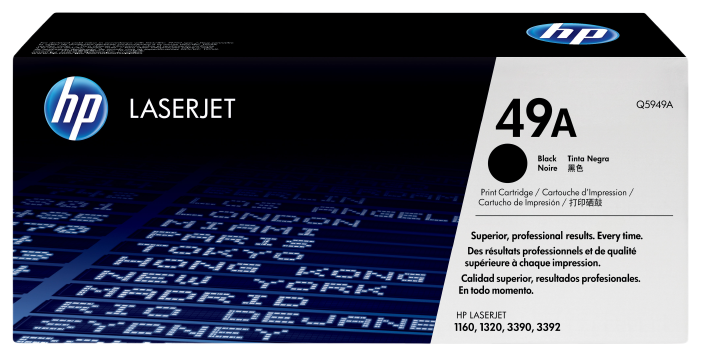
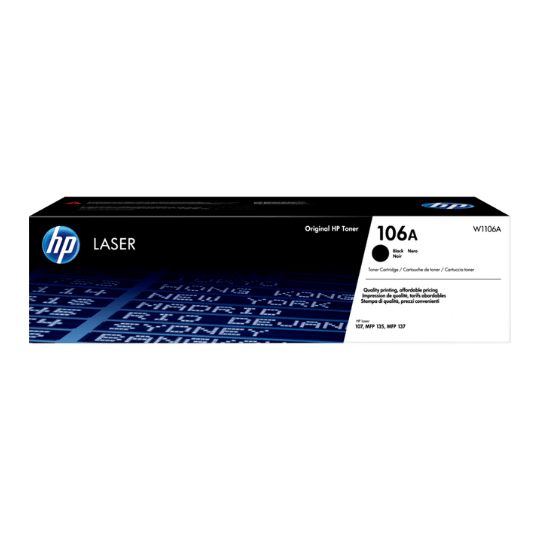
Original Equipment Manufacturer cartridges are designed by the printer's manufacturer. They offer the highest reliability and performance but come at a significantly higher cost. Compatibility with proprietary technologies ensures optimal print quality and lower risk of printer damage.
Compatible Cartridges
Third-party produced cartridges mimic OEM specifications. While cheaper, they often suffer from inconsistent quality and higher variability in yield and reliability. Be aware of potential printer warranty implications when using these.
Remanufactured Cartridges
Reconditioned OEM cartridges offer affordability and are environmentally friendly. However, quality can be variable depending on the remanufacturer's processes, so due diligence is necessary.
Cost-Per-Page and Yield Considerations
Cost-Per-Page (CPP) and Yield are critical metrics that determine the total cost of ownership for printers.
Cost-Per-Page (CPP)
OEM cartridges often have a higher upfront cost but can provide a lower CPP due to reliable yield and less frequent replacements.
Yield
This refers to the number of pages a cartridge can print. High-yield cartridges are ideal for shared office environments to minimize interruptions. Ensure yield claims are based on standardized tests—usually the ISO/IEC 19752 for monochrome lasers.
Real-World Scenarios
Small Office
In less frequent printing environments but with a variety of document types, high-yield remanufactured cartridges from reputable vendors are recommended to balance cost efficiency and print quality.
High-Volume Printing
For regular large batch print jobs where reliability is critical, OEM cartridges might offer the best performance and least downtime, ensuring continuous operation.
Enterprise Environment
Multiple devices and high print demand across departments benefit from a mixed strategy: OEM for mission-critical jobs and high-quality remanufactured or carefully selected compatible cartridges for less critical tasks to optimize cost management.
Common Mistakes and Misconceptions
Key pitfalls include overlooking compatibility, focusing solely on purchase price, and ignoring regular maintenance.
Overlooking Compatibility
Not all third-party cartridges function well with every printer model. User reviews and compatibility guarantees are valuable confirmation resources.
Focus Solely on Purchase Price
Judgments based on initial acquisition cost neglect long-term implications like higher CPP and potential printer damage.
Ignoring Regular Maintenance
Establishing a routine toner management and printer maintenance schedule minimizes residue build-up, reducing wear and improving longevity.
Risk Management
Quality assurance, warranty, and support are crucial components of risk management in toner purchasing and management.
Quality Assurance
Assess cartridge suppliers for consistent quality. Request test samples if possible, especially for large-scale applications.
Warranty and Support
Ensure any warranty or service agreement with your printer manufacturer isn’t voided by using third-party or remanufactured cartridges.
Conclusion
The implementation of an efficient toner management strategy in shared office environments requires a deep understanding of cartridge types, cost implications, and operational demands. OEM cartridges provide reliability for critical operations but can be supplemented by well-vetted remanufactured or compatible options to manage costs without sacrificing too much on performance or yield. Prioritize cost-per-page over initial expense and enforce a strict regimen of oversight and quality control to achieve optimal results.