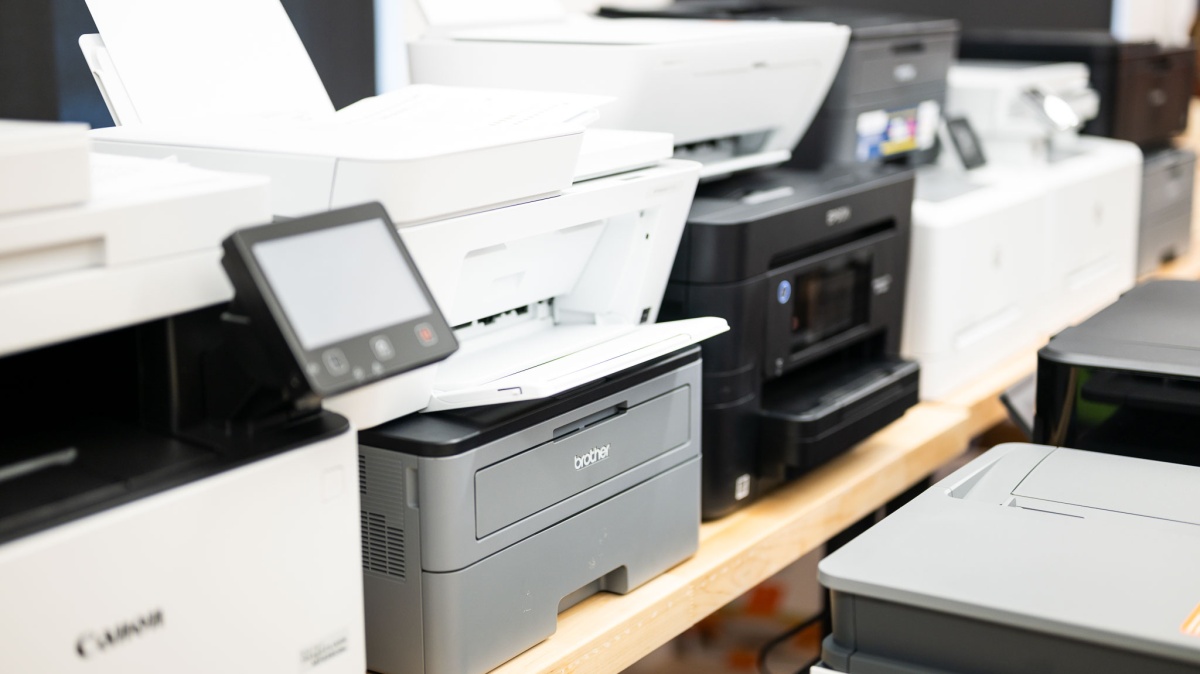
The Exact Difference Between Each Printer Brand (HP, Brother, Canon, Epson, Lexmark, etc.)

Printer brands are not interchangeable, even when they appear similar on the surface. Each manufacturer designs its printers and toner ecosystem with a specific business model in mind, and those decisions directly affect cost per page, reliability, compatibility, and long-term operating costs. This breakdown explains the real, practical differences that matter when choosing printers and toner for business use.
This is not marketing language or feature lists. This is how the major brands actually behave in real business environments, and how their toner ecosystems impact your money and operations.
HP (Hewlett-Packard)
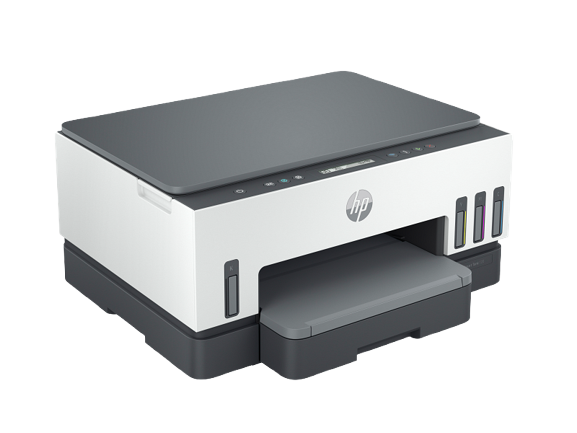
HP is the dominant market leader across home, office, and enterprise printing. Its strength lies in scale: an enormous range of laser and inkjet models, strong global support, mature drivers, and deep integration with business software and operating systems.
HP laser printers are known for sharp text, stable performance, and predictable output. This makes them common in corporate and managed print environments where reliability matters more than raw cost savings.
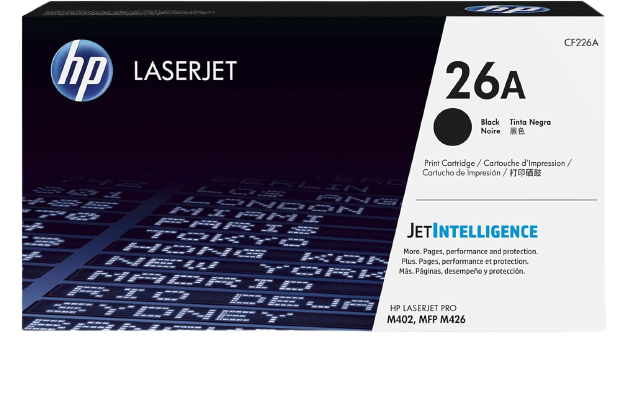
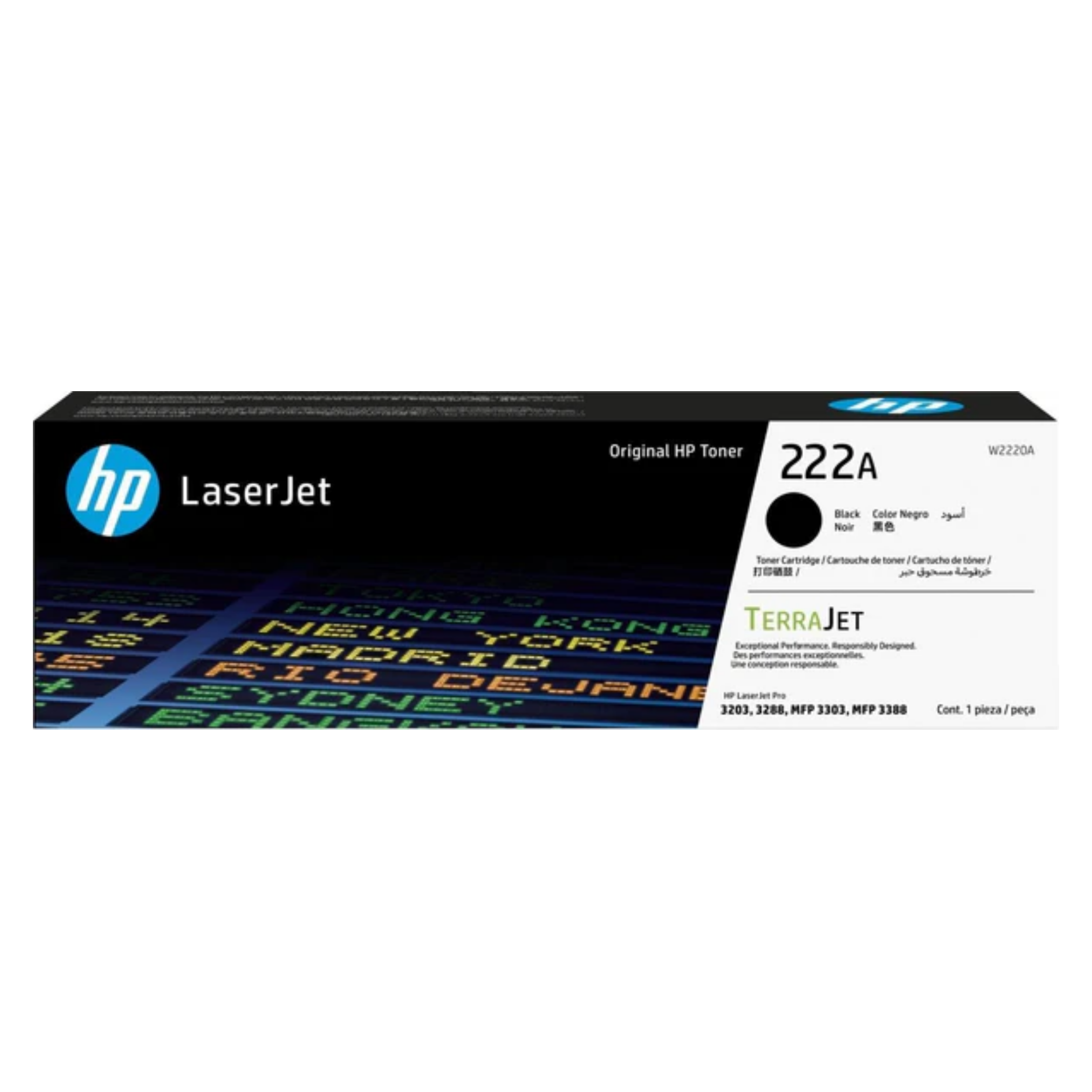
HP toner cartridges are typically all-in-one units that combine toner and drum. This simplifies maintenance but increases cartridge cost. HP also relies heavily on proprietary chips and firmware, which can restrict third-party cartridges and introduce regional or firmware-based lockouts.
HP is best suited for offices that want strong support, consistent output, and minimal troubleshooting. The tradeoff is higher ongoing toner cost, especially when using OEM cartridges.
Brother
Brother is widely regarded as one of the most cost-efficient brands for laser printing. Its printers are built with simplicity, durability, and low running costs in mind, especially for text-heavy workloads.
A key difference is Brother’s separation of the drum and toner units. This design allows businesses to replace toner frequently while replacing drums far less often, significantly reducing long-term costs.
Brother toner cartridges typically offer high yields and low cost per page. Many Brother printers are also more tolerant of premium compatible cartridges, giving businesses flexibility in sourcing.
Brother is ideal for small to medium-sized businesses with high-volume black-and-white printing needs. The main limitation is color quality, which is generally acceptable but less vibrant than brands focused on graphics.
Canon
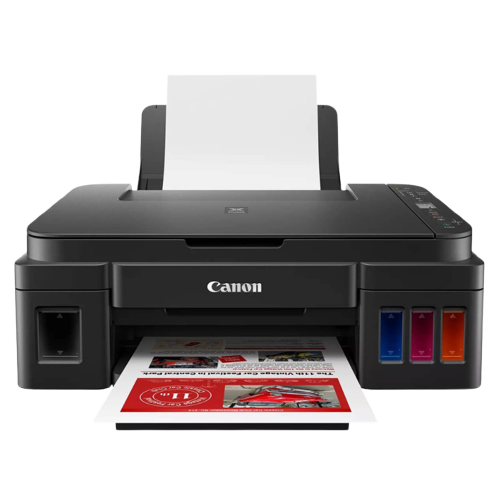
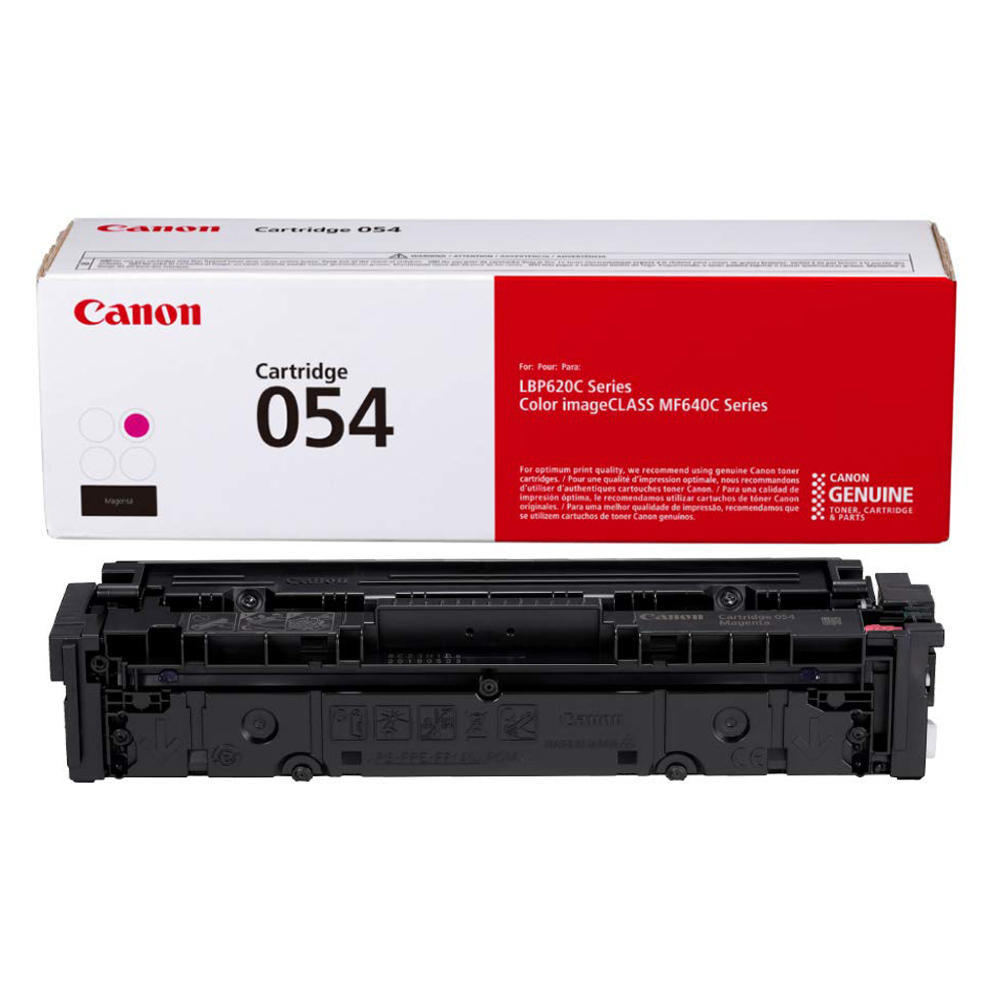
Canon positions itself around balanced performance, offering strong text clarity alongside good color and image reproduction. This heritage comes from Canon’s deep background in imaging and optics.
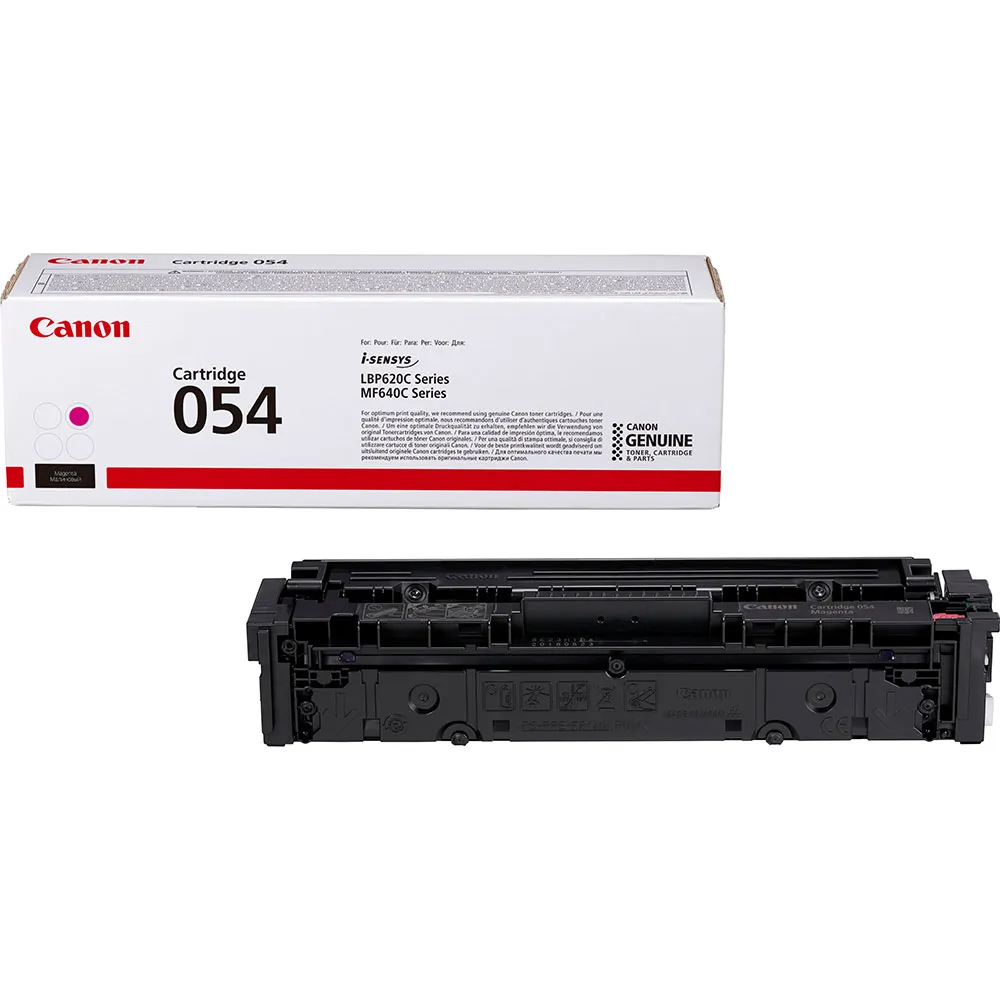
Canon toner cartridges deliver crisp text and reliable color accuracy, making them suitable for mixed workloads such as reports, presentations, and marketing materials.
Canon’s ecosystem is neither the cheapest nor the most restrictive. Toner costs tend to be mid-range, and while Canon uses proprietary designs, it is generally less aggressive than HP in enforcing cartridge lockouts.
Canon is best for businesses that need both professional-looking documents and decent color output without moving into specialized photo or graphics equipment.
Epson
Epson is fundamentally different from the other brands because its strength lies in inkjet technology rather than traditional laser toner systems. Epson’s flagship business strategy revolves around EcoTank and Supertank printers.
Instead of cartridges, many Epson models use refillable ink tanks and bottles. This dramatically lowers cost per page, especially for color printing, and can outperform toner systems for high-volume color graphics.
When Epson does use cartridges, it excels in photo and color quality. However, inkjet systems require more maintenance and can suffer from clogging if not used regularly.
Epson is best for offices that print large amounts of color graphics, charts, and images and are willing to manage inkjet maintenance. It is less suitable for pure text-heavy, high-speed laser workflows.
Lexmark
Lexmark is primarily an enterprise-focused brand. Its printers are designed around security, durability, and large-scale fleet management rather than consumer convenience.
Lexmark toner systems are robust and optimized for high-volume black-and-white printing. They integrate well with managed print services and business workflow systems.
Historically, Lexmark has used licensing models and cartridge return programs to control reuse and protect its ecosystem. This can limit flexibility for smaller businesses.
Lexmark is best suited for large organizations that value security, compliance, and centralized print management. For small offices, cartridge costs and availability may be less favorable.
Quick Market Position Comparison
HP dominates general business and enterprise environments with broad support and reliable output. Brother leads in high-volume office printing with the lowest cost per page. Canon excels in balanced text and color quality. Epson offers the lowest long-term cost for color-heavy printing through ink tank systems. Lexmark focuses on enterprise-grade stability and security.
Key Toner and Cartridge Considerations Across All Brands
OEM cartridges provide the highest compatibility and consistency but come at a premium. Premium compatible cartridges can dramatically reduce costs when sourced correctly, but quality varies widely.
Printer ecosystems matter as much as cartridge price. Brands like HP, Canon, and Epson rely more heavily on proprietary chips and firmware, which can restrict where and how you buy consumables. Brother is generally perceived as more flexible, especially for monochrome laser printers.
Choosing the right brand is not about popularity. It is about matching the printer and toner ecosystem to your print volume, content type, risk tolerance, and long-term cost strategy.