Sign up for our newsletter

Synglo Technology - Toner Cartridge Supplies in HarareShopping cart with 0 items
Back to Blog

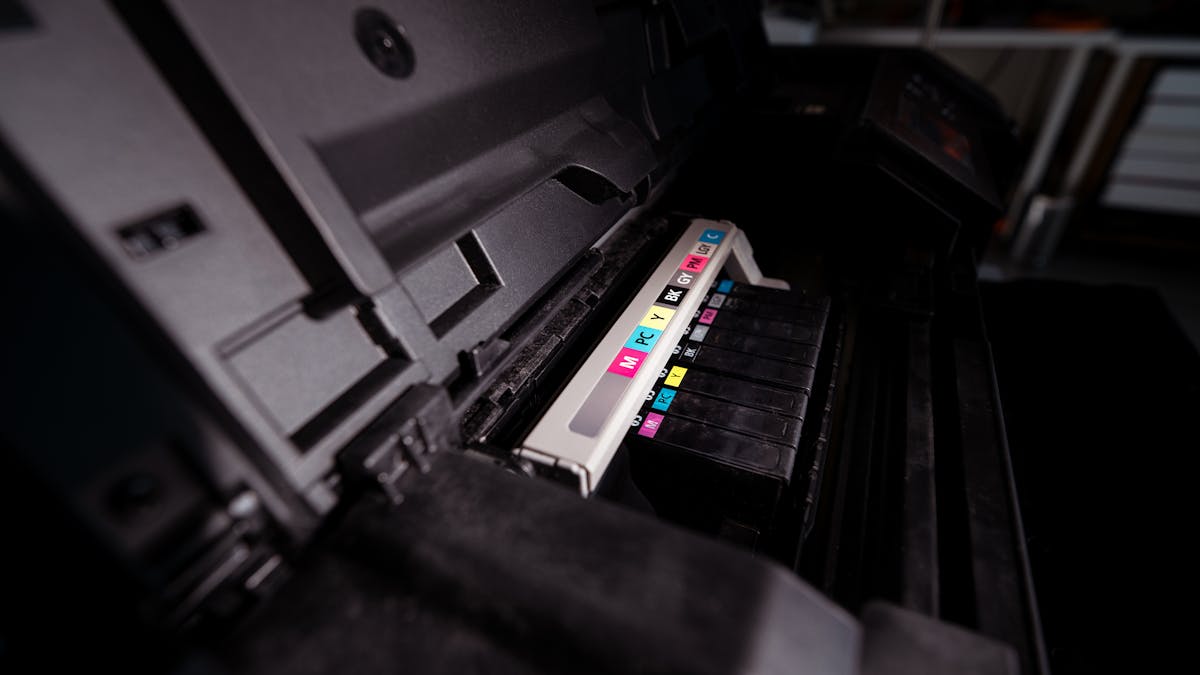
How Many Pages Can One Cartridge Actually Print? Explaining Page Yield

February 13, 2026
Product Review Team
How Many Pages Can One Cartridge Actually Print? Explaining Page Yield

Introduction to Page Yield

In the world of business printing, a critical factor in controlling costs and maximizing efficiency is understanding the concept of "page yield." Page yield refers to the estimated number of pages that one printer cartridge can produce before needing replacement. This metric is key in making informed decisions about purchasing printing supplies, predicting printer operational costs, and budgeting accurately for office expenditures. However, comprehension of page yield is often hampered by common misconceptions and a failure to account for how real-world conditions diverge from the standardized testing environments typically used to calculate this figure.

Standardization of Page Yield

The International Organization for Standardization (ISO) sets the benchmarks for gauging page yield, offering standardization that allows for fair comparisons across brands and types of printers. The key standards include: By conforming to these standards, manufacturers provide page yields that represent approximate averages under controlled conditions. However, business users should note that real results can vary due to discrepancies in printing practices and environmental factors.
  • ISO/IEC 19752: This standard is used for monochrome toner cartridges in laser printers, involving printing a test page with 5% text coverage until the cartridge is depleted.
  • ISO/IEC 19798: Designed for color toner cartridges, this involves printing a set of test pages incorporating text and graphics, with an overall 20% coverage.
  • ISO/IEC 24711: Applied to inkjet cartridges, this uses a similar multi-page test pattern as the color toner standard.

Factors Affecting Page Yield

The actual page yield a business can expect is influenced by multiple factors, often significantly reducing the number of pages a cartridge can produce under day-to-day conditions compared to ISO estimates: 1. Page Coverage and Content: The typical 5% coverage used in ISO tests is relatively minimal, comparable to a short memo. In practice: 2. Print Settings and Quality: Higher quality settings like "best" or "presentation" modes use more ink or toner. Conversely, "draft" or "economy" modes conserve consumables. 3. Printer Model Efficiency: Some printers manage resources better due to advanced features designed to optimize usage without sacrificing quality. 4. Printing Frequency and Job Type: Infrequent or sporadic printing can waste ink in maintenance procedures like head cleaning. Consolidating jobs can reduce such waste. 5. Environmental Conditions: Humidity and temperature can affect ink flow and drying, impacting yield and stability. 6. Paper Type: Different papers absorb ink or transfer toner differently, with glossy finishes typically using more consumption.
  • Documents with dense text or spreadsheets use more ink or toner.
  • Graphics or high-resolution images drastically increase usage.
  • Full-color documents consume multiple colors, depleting cartridges faster.

Real-World Usage Scenarios

Understanding page yield in concrete scenarios aids businesses in planning and optimizing resource allocation:
  • Small Office: Limited budgets necessitate balance between quality and quantity. Print usage characterized by moderate text documents with occasional graphic inclusion. Selecting high-yield cartridges can reduce replenishment frequency and cost per page, despite higher initial costs.
  • High-Volume Printing: Common in environments like schools or large marketing agencies. Typically, there is heavy, continuous use with both text and heavy graphics. High-capacity toner cartridges in laser printers are ideal, providing a lower cost-per-page over time despite a higher upfront purchase price.
  • Enterprise: Cost efficiency is paramount due to sheer volume. Multifunction devices and centralized management software assist in monitoring and controlling usage, with enterprise-grade machines designed for maximal throughput, often with dual toner options for extended operational periods without intervention.

OEM vs Compatible vs Remanufactured

When it comes to cartridges, understanding the impact of Original Equipment Manufacturer (OEM), compatible, and remanufactured options is critical:
  • OEM Cartridges: Produced by the printer's manufacturer, they guarantee reliability and compatibility, often with superior page yield consistency. However, they come at a premium price.
  • Compatible Cartridges: These third-party options mimic OEM specifications but may vary in quality. They offer cost savings, but there's a risk of lower yield or printer damage.
  • Remanufactured Cartridges: Refilled and refurbished OEM cartridges offering environmental benefits and cost savings. They sometimes suffer from inconsistent yields due to varying refurbishing standards.

Conclusion

Page yield is a pivotal metric for businesses striving to maintain cost-efficient printing operations. While ISO standards provide valuable benchmarks, real-world application significantly alters expected outcomes. Businesses must consider user-specific factors such as print content, usage patterns, and environmental conditions when estimating the actual print capacity of cartridges. Ultimately, choosing between OEM, compatible, and remanufactured options involves weighing cost savings against potential risks to yield consistency and equipment longevity.