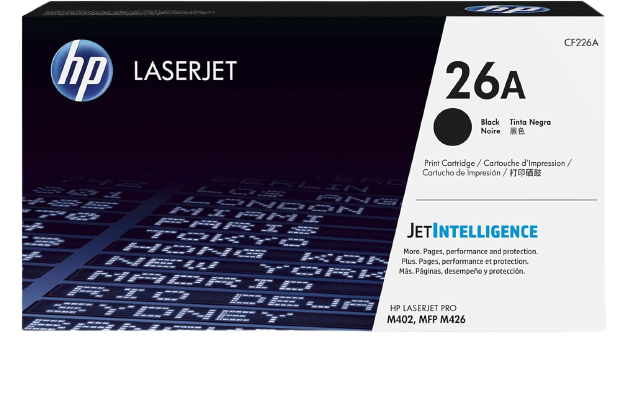
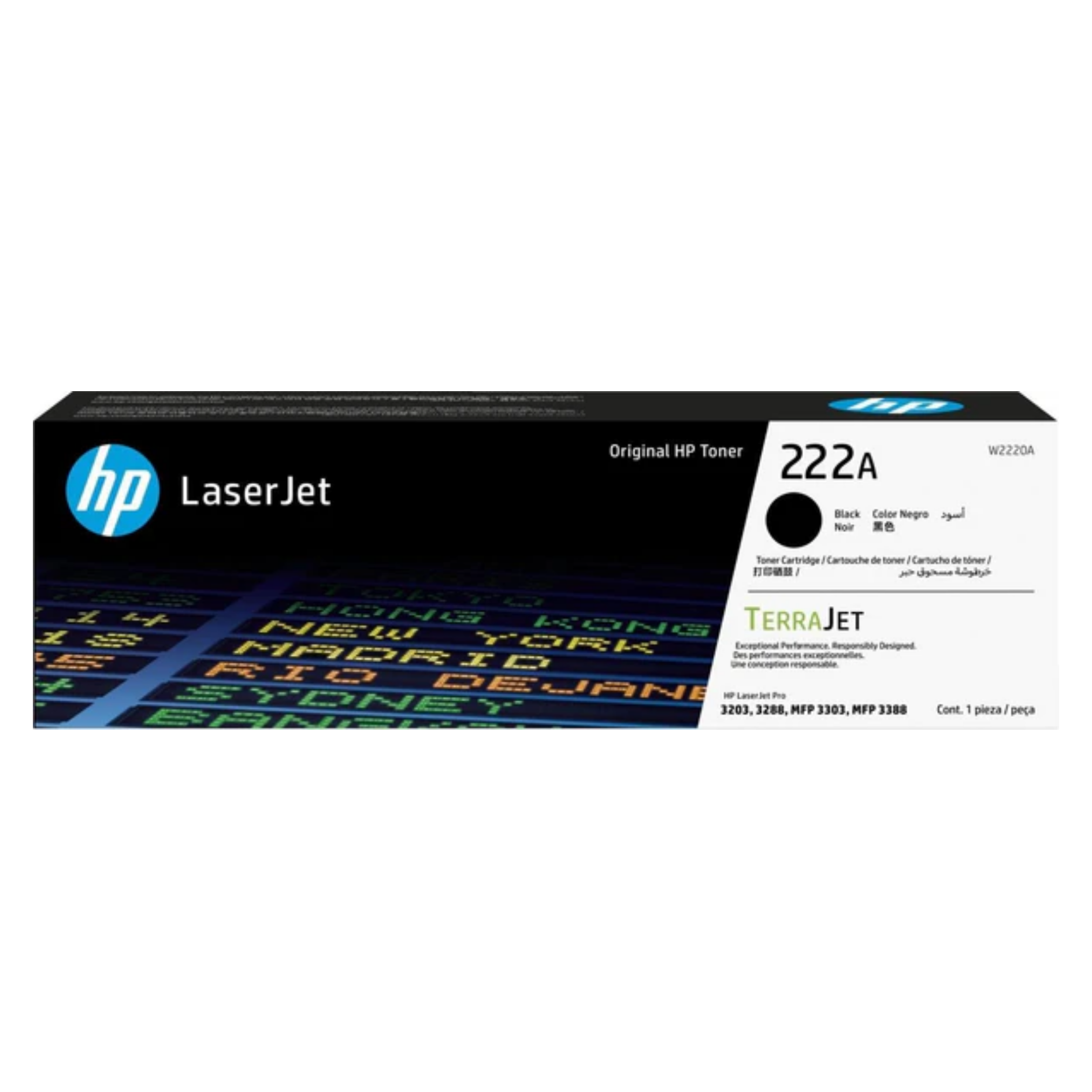
How Toner Chips Work and Why Printers Reject Cartridges
December 30, 2025
Tech Team at Synglotechnology

In the high-stakes landscape of business printing, minimizing downtime and ensuring print quality are critical concerns. A common issue that disrupts smooth operations is a printer's rejection of toner cartridges. This phenomenon often traces back to the toner chip—a seemingly minor but crucial component. This guide aims to provide an in-depth understanding of how toner chips function, the reasons printers may reject cartridges, and the financial implications for your business.
Technical Overview of Toner Chips
What Are Toner Chips?
Toner chips are small microcontrollers mounted on toner cartridges. They play a crucial role in printer-cartridge communication, ensuring the printer recognizes the cartridge and monitors its usage. These chips contain data concerning the cartridge’s status, yield, serial number, and production date.
Functionality
The chip enables several functions:
- Authentication: Ensures the cartridge is genuine (especially important for OEM cartridges).
- Tracking Usage: Monitors toner levels and usage patterns, facilitating timely reorders.
- Data Communication: Relays critical information to the printer such as the remaining toner.
- End-of-Life Signal: Indicates when the cartridge's declared life has ended, even if physically there’s still toner left.
This setup is intended to protect the printer’s functioning, prevent damage from unverified products, and facilitate maintenance tasks.
Printers Rejecting Cartridges: Causes and Solutions
Common Reasons for Rejection
- Chip Faults or Incompatibility: Non-OEM or remanufactured cartridges often have chips that fail to pass the printer’s authentication checks.
- Firmware Updates: OEMs periodically update printer firmware to enhance performance or security, which can inadvertently cause compatibility issues with third-party chips.
- Counterfeit Cartridges: High-quality imitation cartridges might look authentic but can be easily flagged by chip discrepancies.
Addressing Rejection Issues
- Regular Firmware Audits: Monitor OEM updates closely and evaluate the impact on third-party cartridge usage.
- Vendor Vetting: Ensure compatibility by sourcing cartridges from reputable vendors with a proven track record in your printer’s ecosystem.
- Training: Educate staff on handling cartridge errors and establish a swift response protocol to minimize operational disruptions.
Financial and Operational Implications
Cost-Per-Page and Yield
- OEM Cartridges: Generally offer the best integration and chip functionality, minimizing errors. They often come at a higher cost but promise more accurate page yields.
- Compatible Cartridges: Typically cheaper but may introduce risks related to chip functionality and compatibility, affecting yield.
- Remanufactured Cartridges: An eco-friendly option; these may use third-party chips, which can cause similar issues as compatible cartridges, albeit often at a lower cost.
The cost-per-page must be meticulously calculated. Incompatibility leading to rejection not only stalls workflow but also inflates the cost-per-page due to wasted cartridge purchases and downtime.
Reliability and Risks
- Genuine OEM Reliability: Offers peace of mind with near-guaranteed compatibility but at a premium price.
- Third-Party Risks: The risk of sudden rejection due to firmware conflicts or chip failures can considerably impact operational efficiency and cost forecasting.
Real-World Usage Scenarios
- Small Office: Prioritize high-reliability OEM cartridges to prevent downtime. The cost may be higher, but the avoidance of disruptions typically offsets these.
- High-Volume Printing: Consider bulk purchasing OEM cartridges for assured compatibility or establish strong partnerships with trusted compatible vendors.
- Enterprise Environment: Implement comprehensive audits and vendor relationships to leverage remanufactured cartridges’ cost benefits while maintaining system integrity through thorough testing and compliance with OEM firmware updates.
Common Mistakes and Misconceptions
- Overlooking Firmware Updates: Failing to address updates can lead to unexpected cartridge rejection.
- Cost Myopia: Focusing solely on upfront cartridge costs without considering potential downtime and rejection costs can backfire.
- Assuming All Third-Party Chips are Equal: Not all chips are created equal. Varied manufacturer quality can lead to different rejection rates and outcomes.
Conclusion
Understanding the intricacies of toner chips and the reasons behind cartridge rejection is paramount for a seamless printing experience. Invest in vetted solutions, remain vigilant about updates, and tailor your cartridge choices to your specific operational demands. By minimizing cartridge rejections, your business can maintain efficiency and manage printing costs effectively.