How to Choose Between OEM, Compatible, and Remanufactured Toner Cartridges
December 18, 2025
Tech Team at Synglotechnology

Introduction
Selecting the right toner cartridges for your business can directly impact operating costs, printing efficiency, and print quality. The decision between Original Equipment Manufacturer (OEM), compatible, and remanufactured toner cartridges involves technical and financial considerations. This guide provides a comprehensive analysis to aid business owners in making informed decisions.
Understanding Toner Cartridge Types
OEM Toner Cartridges
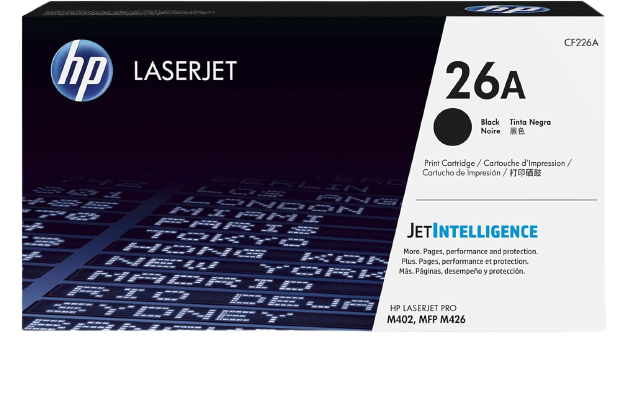
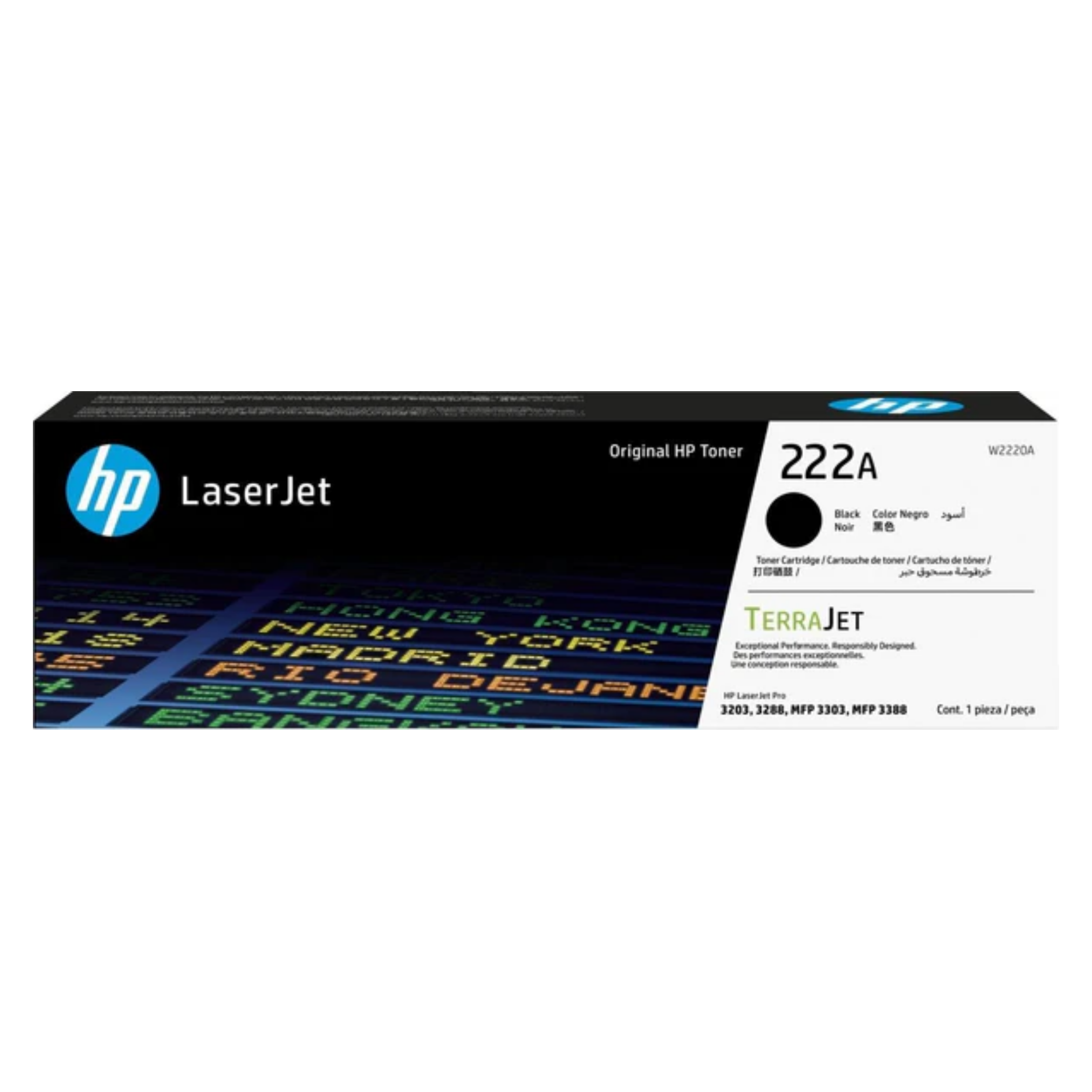
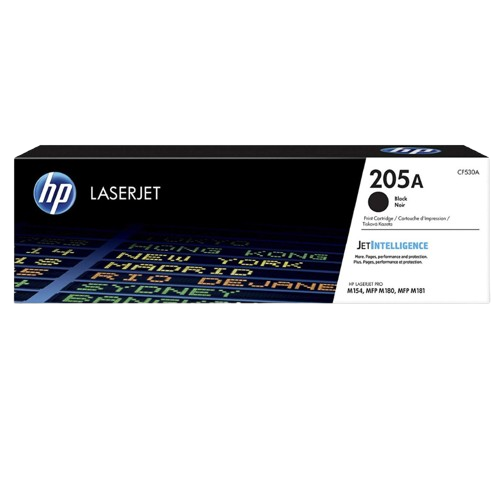
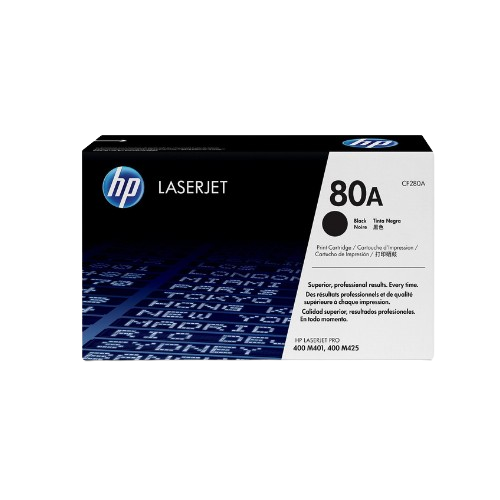
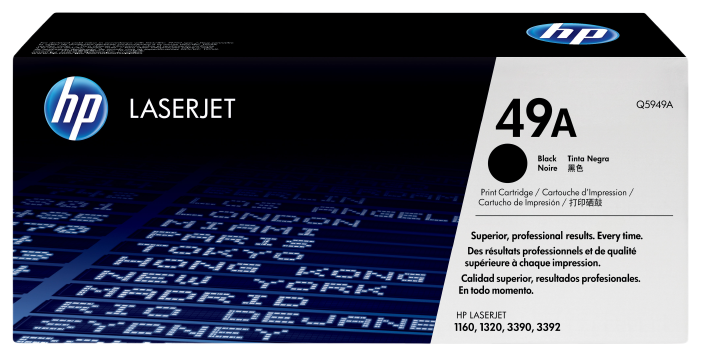
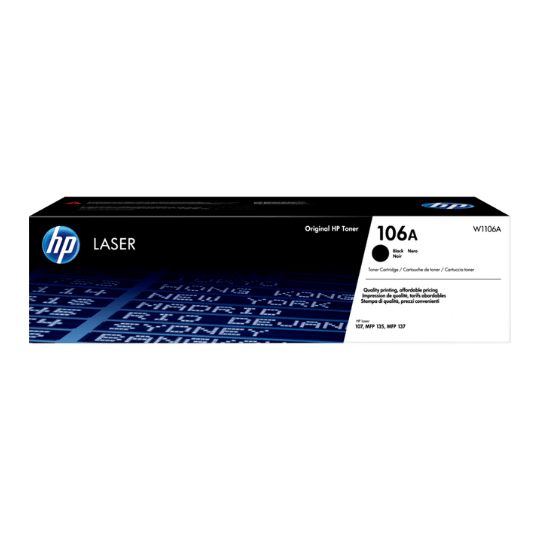
OEM cartridges are produced by the original manufacturer of your printer. They are designed to work seamlessly with their specific printers. OEM cartridges benefit from the manufacturer's engineering standards, ensuring optimal compatibility and performance. They use high-quality components, which contribute to consistent print quality and longer printer life.
Compatible Toner Cartridges
Compatible cartridges are new cartridges produced by third-party manufacturers. While not associated with the printer’s brand, they are designed to fit and function in the same way as OEM versions. These cartridges can offer similar print quality to OEM if they come from reputable manufacturers. They often use similar materials and technology to those in OEM cartridges but at a fraction of the cost.
Remanufactured Toner Cartridges
Remanufactured cartridges are recycled and refurbished OEM cartridges. They are disassembled, cleaned, and fitted with new components before being refilled with toner. Remanufactured cartridges provide an environmentally friendly option and a significant cost reduction. The process restores cartridges to near-original performance when performed to high standards.
Cost Analysis
Cost-Per-Page and Yield
OEM cartridges typically yield a higher number of pages with consistent output quality. Businesses can often expect the lowest cost-per-page due to their reliability and efficiency. Compatible cartridges often have a lower purchase price and competitive page yields. The cost-per-page can be economical if the quality is high, but poorly made versions can result in additional costs due to inferior performance and waste. Remanufactured cartridges offer the lowest initial cost but can sometimes yield fewer pages, thus altering the cost-per-page equation based on the quality of the remanufacturing process.
Products You May Need
Explore products related to this guide