Does Toner Expire? Tips for Checking Use-By Dates and Storage
February 17, 2026
Tech Team at Synglotechnology

Understanding Toner Expiration
While the toner powder itself—a blend of polymers and colorant carbon—does not 'expire' in a traditional sense, the toner cartridges housing this powder come with a recommended shelf life. This can widely differ depending on the Original Equipment Manufacturer (OEM), but generally falls between 24 to 36 months from production. It is crucial to understand this expiration not as a hard stop for usability, but as a guideline contingent on potential degradation of mechanical components within the cartridge.
Why Components Matter
The longevity of a cartridge is impacted by the physical integrity and performance of its components:
- Seals and Plastics: Overtime exposure to environmental factors can break down the seals, leading to potential leaks and inconsistencies in print results.
- Drum Unit: Integral to transferring toner onto paper, a degraded drum can affect print quality or cause mechanical failures.
- Magnetic Roller and Wiper Blade: Loss in their efficiency can lead to poor toner distribution and streaks.
Risks of Using Expired Toner
Utilizing toner cartridges beyond their shelf life can lead to undesirable outcomes:
- Print Quality Issues: Clumped toner or degraded rollers lead to streaks, blotches, and faded prints.
- Increased Mechanical Wear: Printer damage could occur due to leakage or malfunction.
- Warranty Complications: Many manufacturers void warranties if expired toner causes printer issues.
Examining Use-By Dates
Proactively managing printer supplies involves closely monitoring use-by dates and understanding brand-specific guidelines.
Manufacturing vs. Expiry Dates
Most OEM products will display either a manufacturing or a use-by date on the packaging. This information is crucial for inventory management:
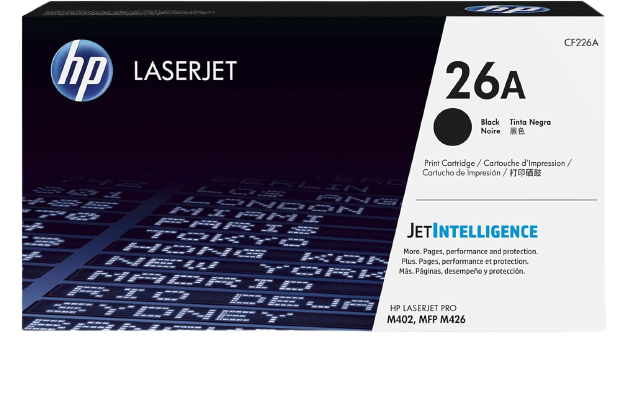
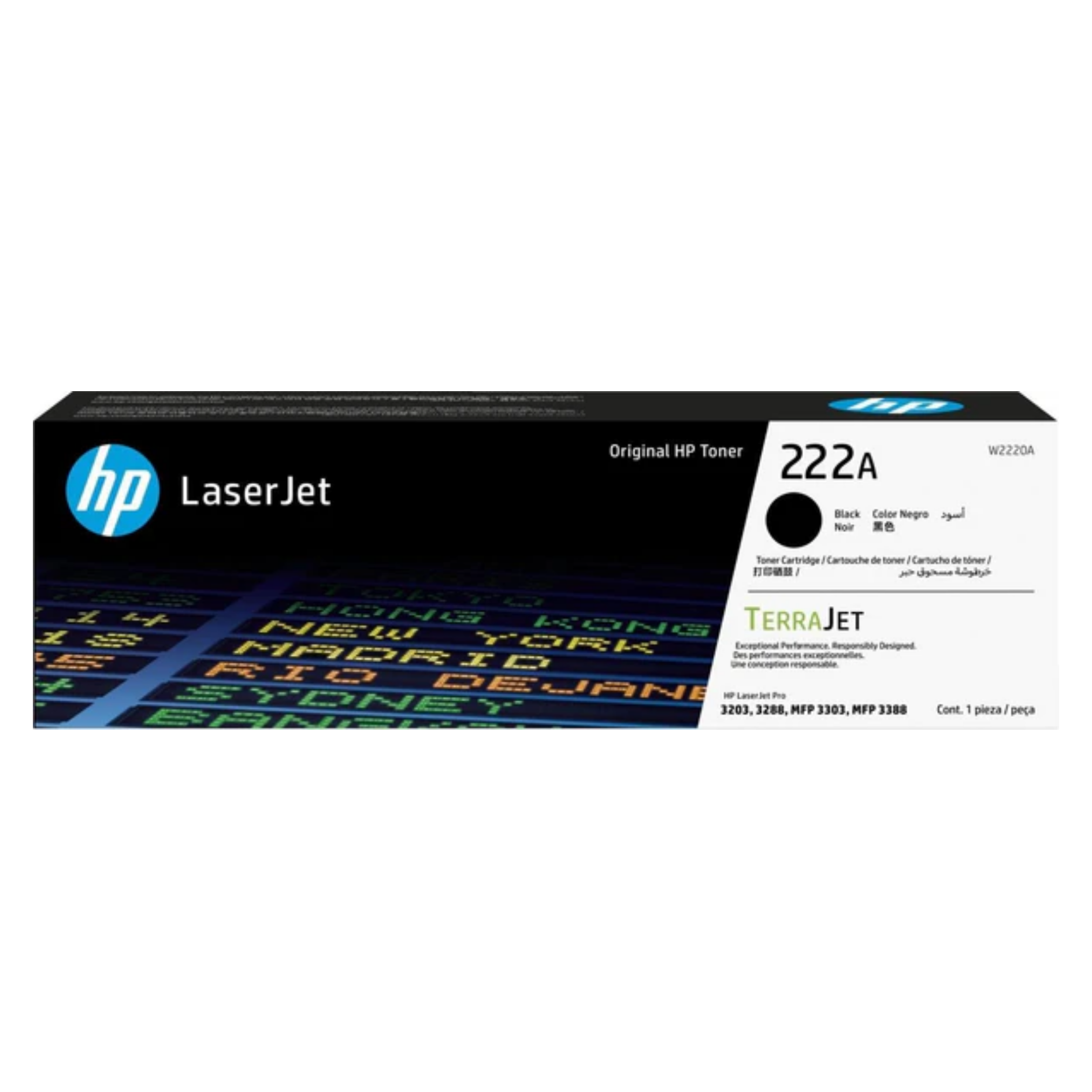
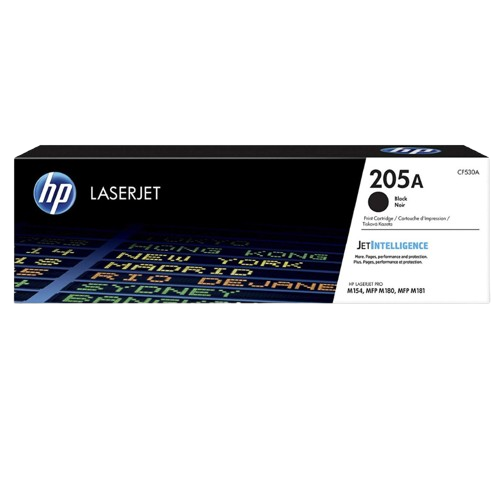
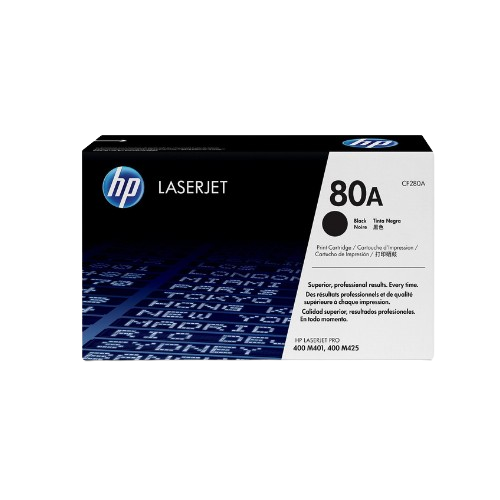
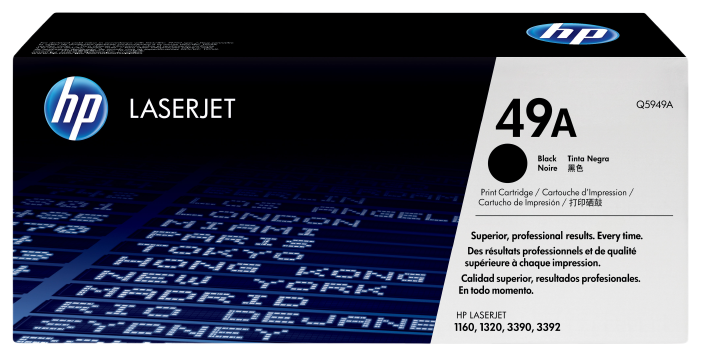
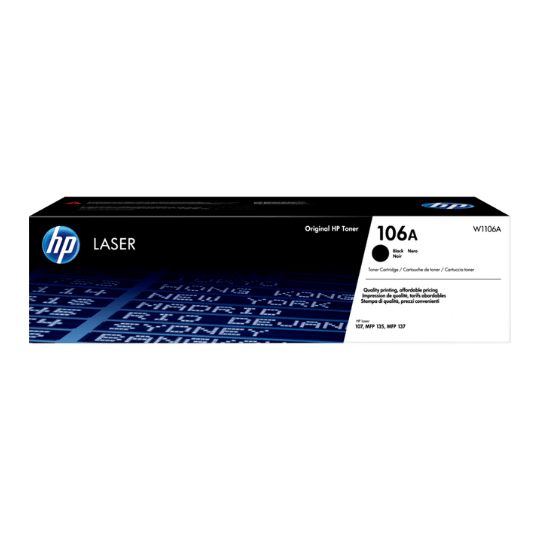
- Manufacturer Variations: HP, for example, might not provide a precise expiration date, relying instead on manufacturing timelines. Brother provides a more explicit shelf life of up to two years unopened.
- Signs of Degradation: Beyond dates, physical inspection for clumped powder or faded prints can highlight issues.
Best Practices for Toner Storage
Proper storage extends the usability of toner cartridges, potentially beyond the manufacturer's stated period.
Effective Storage Strategies
1. Maintain Original Packaging: Ensuring the toner remains in its sealed, boxed state guards against environmental degradation. 2. Environment Control: Ideally stored between 60-75°F (15-25°C) in controlled humidity of 35%-55%, maintaining these conditions prevents damage from heat, cold, or moisture. 3. Shield from Light and Heat Sources: Protecting toner from sunlight and unstable environments prevents plastic degradation and unnecessary wear on the cartridge's sensitive components. 4. Horizontal Orientation: To maintain powder consistency, store cartridges flat; aligning with manufacturer's guidance when possible. 5. Avoid External Interference: Keep cartridges away from chemical fumes, vibrations, or strong magnetic fields which can destabilize the toner powder.
Implementing a Rotational System
Inventory management through a "first-in, first-out" system ensures that older stock is used prior to newer acquisitions, decreasing the risk of product obsolescence.
Commercial Implications: OEM vs. Compatible vs. Remanufactured
Business decisions around toner procurement impact both cost-efficiency and performance reliability.
OEM (Original Equipment Manufacturer)
- Benefits: High reliability and guaranteed compatibility with the intended model.
- Limitations: Typically higher upfront costs without flexibility on use-by extensions.
Compatible Cartridges
- Benefits: Lower purchase cost, often designed for a broader printer range.
- Limitations: May not adhere to the same manufacturing standards, risking quality.
Remanufactured Cartridges
- Benefits: Environmental benefits with potential cost savings.
- Limitations: Variable quality control can lead to inconsistency in yield and performance.
Conclusion: Make Informed Decisions
Understanding toner expiration, managing use-by dates, and adhering to storage best practices are not only critical for maintaining print quality but also for protecting office equipment investments. Ensure you are making informed decisions; otherwise, small savings today might lead to larger operational costs tomorrow. Leverage this expertise to maintain a seamless and cost-effective printing workflow. By taking decisive action and implementing these strategies, businesses can safeguard against costly misconceptions and optimize their printing operations for maximum return on investment.