What is a Drum Unit? Why it's different from your toner cartridge.
February 17, 2026
Product Review Team

The Comprehensive Guide to Drum Units in Printing
In the realm of laser and LED printing, a clear understanding of the drum unit's role is crucial for any business looking to optimize their print operations and control costs. The drum unit, though often confused with the toner cartridge, plays a fundamentally different role in the printing process. Recognizing the distinct functions and maintenance needs of these components is critical for maintaining print quality and managing expenses effectively.
Understanding the Drum Unit
The drum unit, also termed as a photoconductor unit (PCU) or imaging unit, is a key component in laser and LED printers. Coated with photosensitive material, it is integral to transferring toner onto the paper. Here's a detailed breakdown of its operation:
1. Charging: Initially, the drum unit receives a uniform negative electrostatic charge from a corona wire or roller. 2. Exposure: A laser or LED array selectively dissipates the charge on the drum’s surface to create an electrostatic image of what is to be printed. 3. Toner Attraction: Toner particles, oppositely charged to the drum, adhere to these discharged areas. 4. Transfer to Paper: The paper passes the drum, which transfers the toner pattern using a combination of heat and pressure exerted by the fuser unit. 5. Fusing: This step ensures the toner firmly bonds with the paper via intense heat and pressure from the fuser. 6. Cleaning: Residual toner is removed from the drum's surface to prepare it for the next print cycle.
The drum unit’s meticulous operation is vital for sharp, clear printouts. When it wears out — often evident through faded prints or streaks — replacement is necessary, irrespective of toner levels.
Distinction from the Toner Cartridge
The toner cartridge and drum unit often coexist within the printer but serve independent functions:
- Toner Cartridge: It contains the toner powder — the "ink" made up of tiny, electrically charged particles of plastic and pigment. Its primary role is to store and supply media for printing.
- Drum Unit: It does not store toner. Instead, it functions as the implementer, transferring toner onto paper based on the electrostatic image.
Key Differences: Technical Breakdown
- Functionality: The toner cartridge's role is containment and supply, while the drum unit is crucial for the application and transfer of toner.
- Lifespan: Drum units typically outlast toner cartridges, often requiring replacement after approximately 3-4 toner cycles.
- Replacement Costs and Management:
- Separate Units: With brands like Brother, a separate drum unit allows for periodic replacement but demands higher initial costs due to the two components.
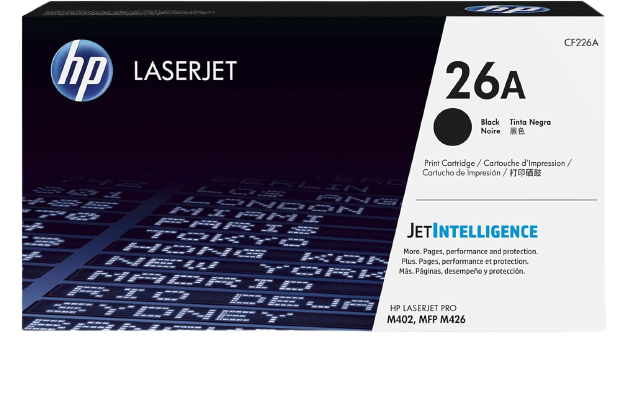
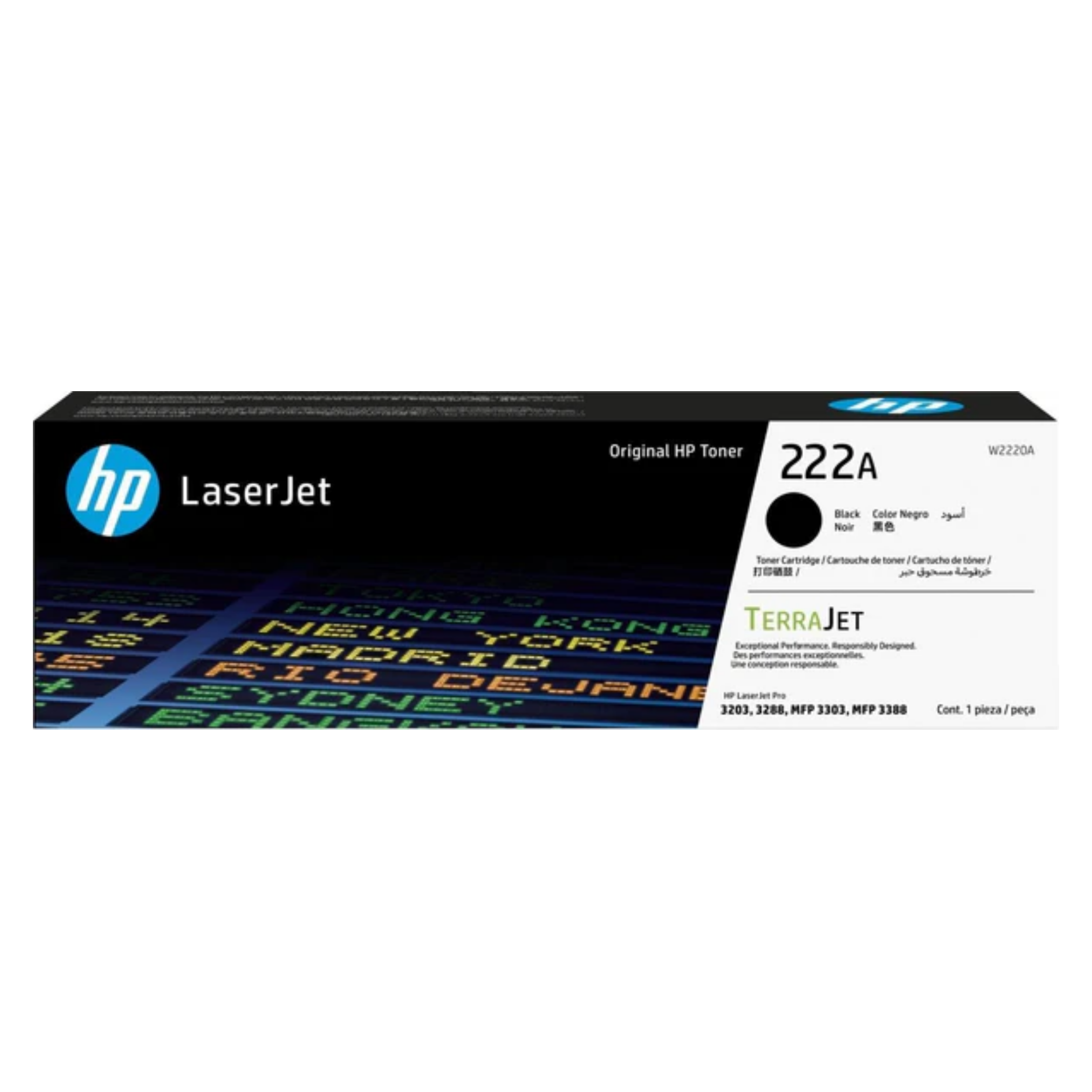
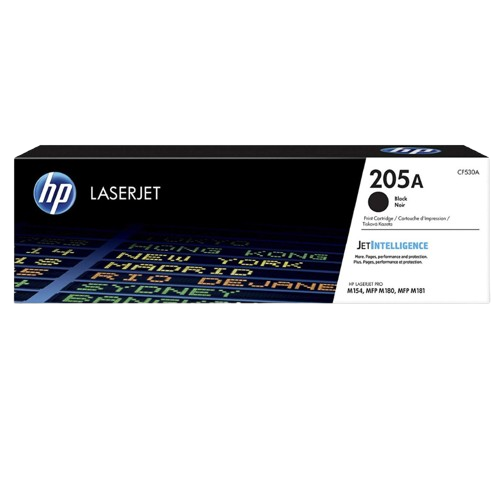
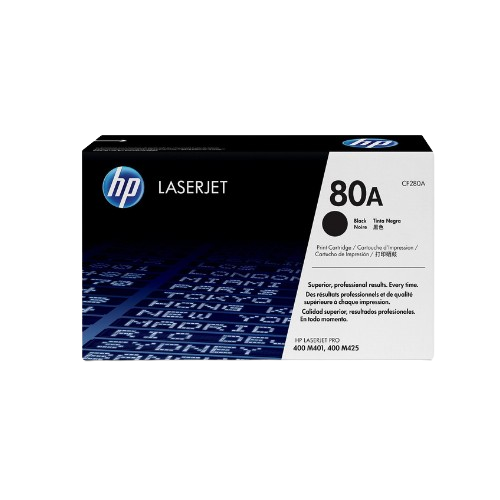
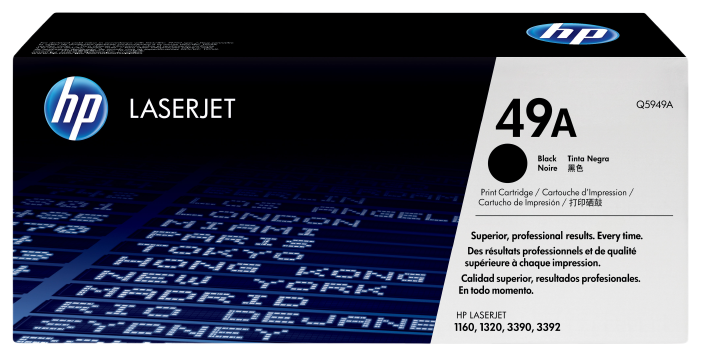
- Combined Units: HP often integrates the drum within the toner cartridge, simplifying replacement but increasing regular costs.
Understanding when to replace each component can significantly impact printer operation costs and efficiency.
Real-World Usage Scenarios
- Small Office Setup: For businesses with low to moderate print volumes, such as a small law office or boutique ad agency, investing in printers with separate drum and toner components may provide longer-term savings with strategic replacements.
- High-Volume Printing Needs: Organizations like financial institutions or educational establishments should focus on printers that offer easy accessibility for separate component replacements to quickly adapt to operational demands.
- Enterprise Solutions: Large enterprises may benefit from managed print services that provide monitoring and automatic supply replenishment, thereby reducing downtime and operator intervention.
Misconceptions and Pitfalls
A few common misconceptions can lead to unnecessary expenses and downtime:
- Overlooking Drum Unit Wear: Many assume fading prints are solely a toner issue, which can result in unjustified cartridge replacements. Evaluate the drum's state before restocking toner.
- Mixing OEM with Compatible or Remanufactured: While OEM parts guarantee quality and compatibility, compatible or remanufactured components offer cost reductions but can increase failure risks if not certified or sourced from reputable suppliers.
Cost-Effectiveness and Reliability
- Cost per Page: The combination of drum longevity and toner yield directly impacts the cost-per-page metric. Conduct regular assessments of both to find a balance between operational cost and print quality.
- OEM vs Compatible vs Remanufactured: Choose OEM for predictable performance and warranty preservation. Compatible components can lower upfront costs but carry greater risks without established vendor credibility. Remanufactured units reduce environmental impact but require rigorous quality controls.
Conclusion
An informed comprehension of your printer’s drum unit and toner cartridge impacts budgetary decisions and operational efficiency. Distinguish these components for more strategic and sustainable business printing practices. Prioritize meticulous maintenance and timely component evaluation to prevent premature equipment failures and champion cost-effective printing.