How to Check Toner Usage on Modern Printers
January 3, 2026
Product Review Team

Managing operational efficiency in a business environment in Zimbabwe requires understanding and controlling toner usage, particularly in a market where cost-saving measures are crucial for profitability. This comprehensive guide discusses the methods to check toner usage on modern printers, examining both technical capabilities and commercial implications.
Understanding Toner Tracking Systems
Modern printers, whether standalone or multifunction devices, usually come equipped with built-in software for toner monitoring. This technology allows for tracking of toner levels and usage patterns, providing updates via onboard displays or network systems. Many printers feature LCD displays that give real-time toner level updates, thus simplifying the process of scheduling replacements. Additionally, network-integrated tracking systems can alert IT managers or procurement staff via email or management software like HP's Web Jetadmin or Epson's Device Admin, aiding in efficient toner budgeting and averting unexpected shortages.
Utilizing Manufacturer Tools and Software
Printer manufacturers often supply proprietary software designed for managing and reporting toner usage in greater detail. Tools like HP JetAdvantage, Epson Connect, and Canon's uniFLOW support remote monitoring of device status, including toner levels, across various devices and locations. While these tools may involve initial setup expenditures, they provide precise usage control per department or location, ultimately aiding in cost management and reducing waste.
OEM vs Compatible vs Remanufactured Cartridges
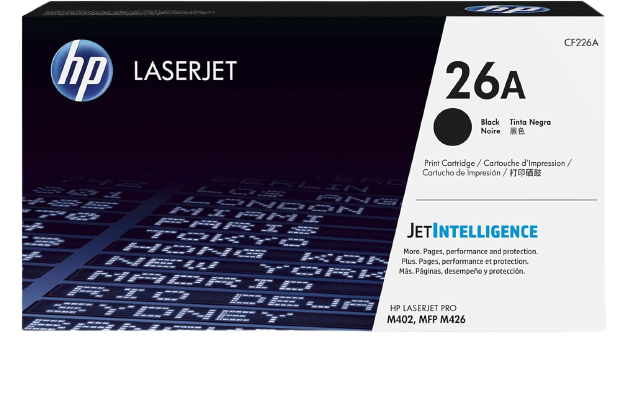
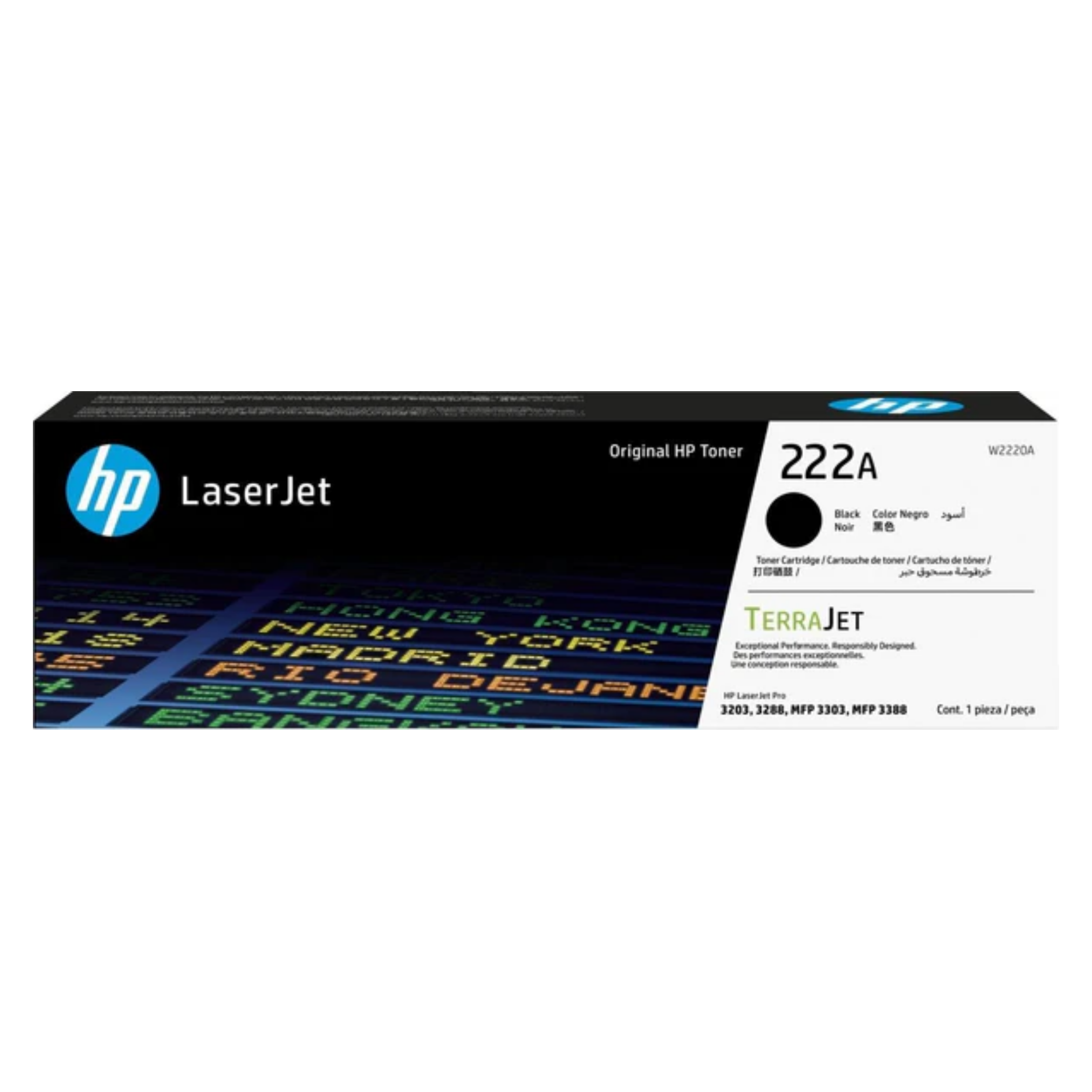
There are three main types of toner cartridges: OEM, Compatible, and Remanufactured. OEM cartridges, made by the original manufacturer, provide consistent quality but come at a higher price, fully supporting tracking features without compatibility issues. Compatible cartridges, produced by third parties, offer lower costs but might not integrate perfectly with toner tracking systems, potentially causing tracking errors. Remanufactured cartridges, which are recycled and refilled, can be environmentally friendly but may occasionally disrupt accurate toner readings unless sourced from high-quality remanufacturers. Choosing the right type affects both short-term expenses (cost per unit) and long-term costs (cost per page), with OEM cartridges providing reliability and precise tracking, thus minimizing downtime risks.
Real-World Scenarios
Products You May Need
Explore products related to this guide